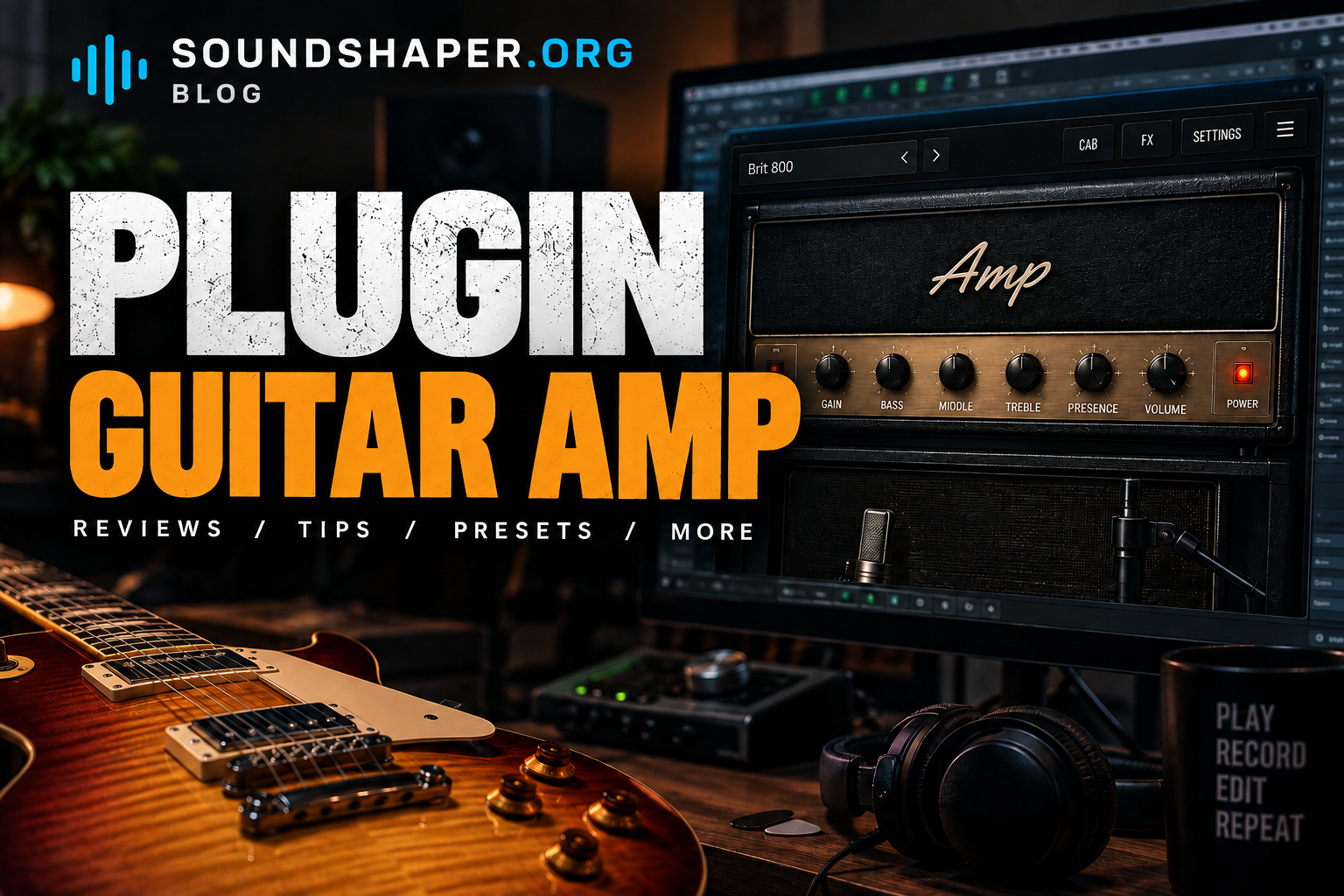
Recording real amps takes a mic, a cab, a quiet room, and neighbors who don't mind noise. Most home producers don't have all four, which is why a solid plugin guitar amp has become the standard way to track guitar tones that actually hold up in a mix. The right one gets you close enough to a miked Marshall or Fender that listeners can't tell the difference, and you get there without touching a single cable.
So which guitar amp plugin actually sounds real and doesn't feel like a chore to dial in? That's what this list settles. We're not talking about generic amp-in-a-box presets that sound stiff after the first riff. We're talking about guitar amp simulator plugin options built with real amp modeling, cabinet impulse responses, and enough tone-shaping depth to match your genre, whether that's clean jazz, crunchy blues, or high-gain metal.
Below you'll find seven plugins we consider the best guitar amp vst choices on the market right now, covering different budgets, playing styles, and skill levels. Each entry breaks down what makes the tone convincing, who it fits best, and where it falls short, so you can pick the one that matches how you actually play and record.
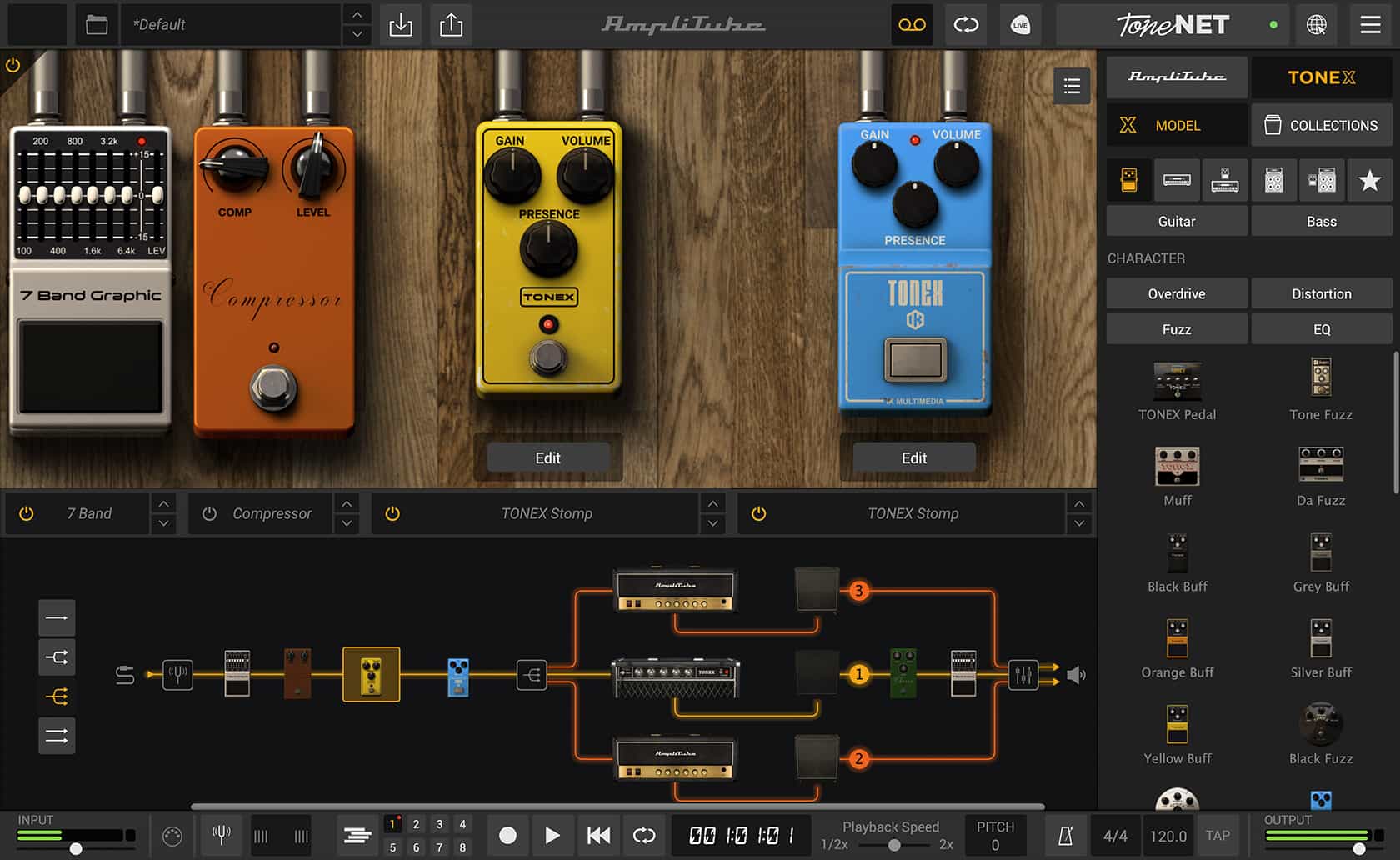
IK Multimedia has been in the amp modeling business longer than almost anyone, and AmpliTube 5 shows it. The plugin ships with a sprawling library of amps, cabs, stompboxes, and mics modeled after real hardware from Fender, Mesa/Boogie, Ampeg, and dozens of other manufacturers. Instead of a handful of curated tones, you get a full gear locker, which makes this one of the most flexible guitar amp plugin options if you play across multiple genres in the same session.
AmpliTube 5 wins on sheer breadth: fewer standout tones per amp, but more amps than almost any competitor offers.
Guitarists who jump between styles, session players, and producers scoring varied tracks will get the most mileage from this guitar amplifier vst. It suits anyone who wants one plugin covering everything rather than several specialized ones, and beginners benefit from the sheer number of ready-made presets across genres.
AmpliTube 5 starts free with a stripped-down version, while the full Custom Shop edition runs around $150 to $200 depending on bundled gear. Individual amp and cab packs can also be purchased separately as needed.
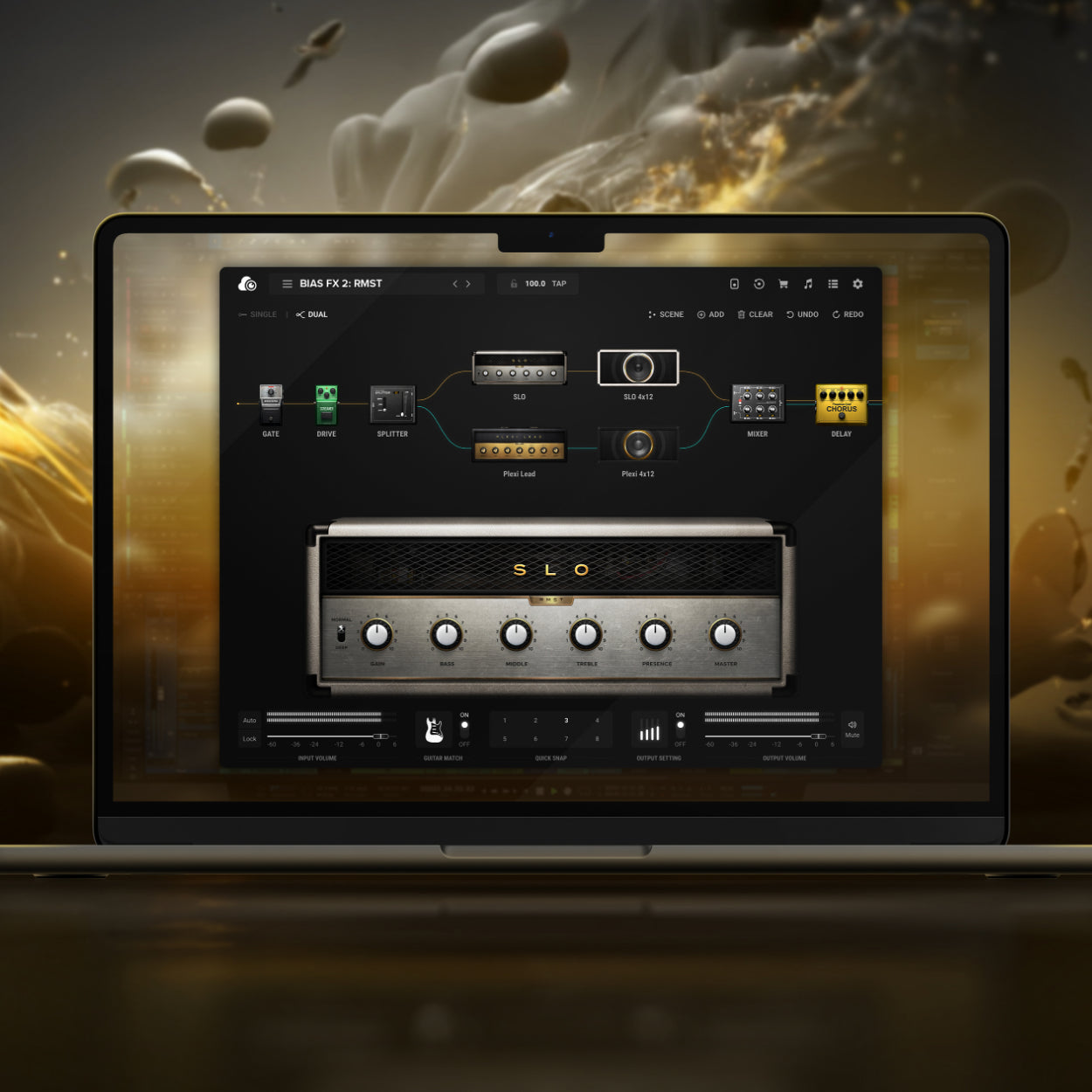
Positive Grid built BIAS FX 2 around flexibility, letting you build a full rig from separate amp, cab, and effects blocks rather than locking you into fixed signal chains. The guitar amp plugin pulls from a library of modeled amps spanning clean Fender-style tones to scooped metal heads, and you can swap any component mid-chain without breaking the tone. What sets it apart from AmpliTube is the ToneCloud feature, a shared library where users upload and download presets built by other guitarists chasing the same tone you are.
BIAS FX 2 rewards tinkerers who want to build a rig block by block instead of picking a preset and moving on.
Guitarists who like building their own rig from scratch, rather than relying on artist presets, will get the most from this guitar vst amp. It suits home producers who want one tool for practice, writing, and recording, and beginners benefit from ToneCloud's ready-made presets while they learn to shape tone themselves.
BIAS FX 2 Standard runs around $99, while the Professional edition with the full amp and pedal library costs roughly $199. Positive Grid also sells individual amp and pedal expansion packs separately through its store.
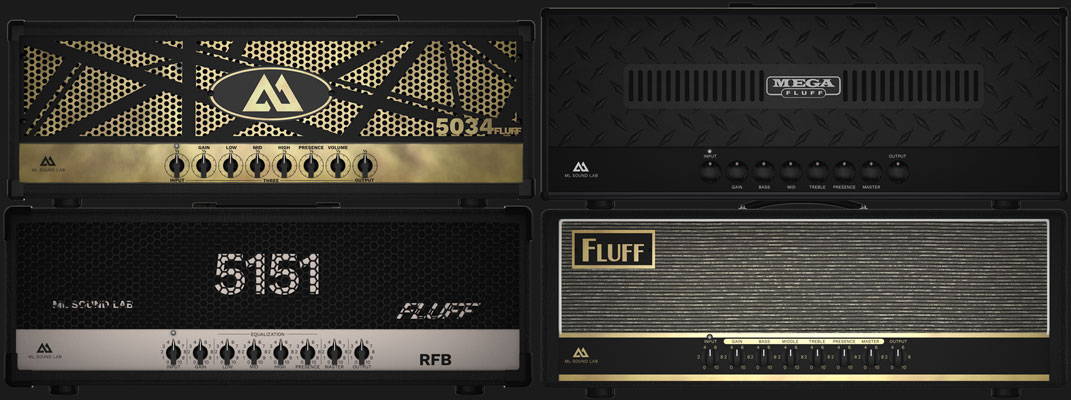
ML Sound Lab built its name on hyper-realistic amp captures, using a proprietary impulse response process that grabs cabinet tone with far more depth than a standard IR file. The Amped series feels less like a synthetic model and more like a photograph of a real rig, mic placement, room tone, and all. Guitarists who've tried dozens of guitar amps vst options often single this one out for its uncanny cabinet realism, especially on high-gain metal tones where cheaper IRs tend to sound thin or fizzy.
Amped series plugins prove that cabinet capture quality matters as much as amp modeling itself.
Metal and hard rock guitarists chasing a tight, aggressive plugin guitar tone will get the most from this series. It suits producers who already know roughly what amp and cab combo they want and just need a convincing capture, rather than players who want to experiment across dozens of genres. It's less useful if you need clean jazz or country tones, since the lineup leans hard into gain.
Individual Amped plugins typically run $40 to $80 each, with occasional bundle discounts. There's no subscription, and the lower entry price makes it easy to try a single amp before committing to the full series.
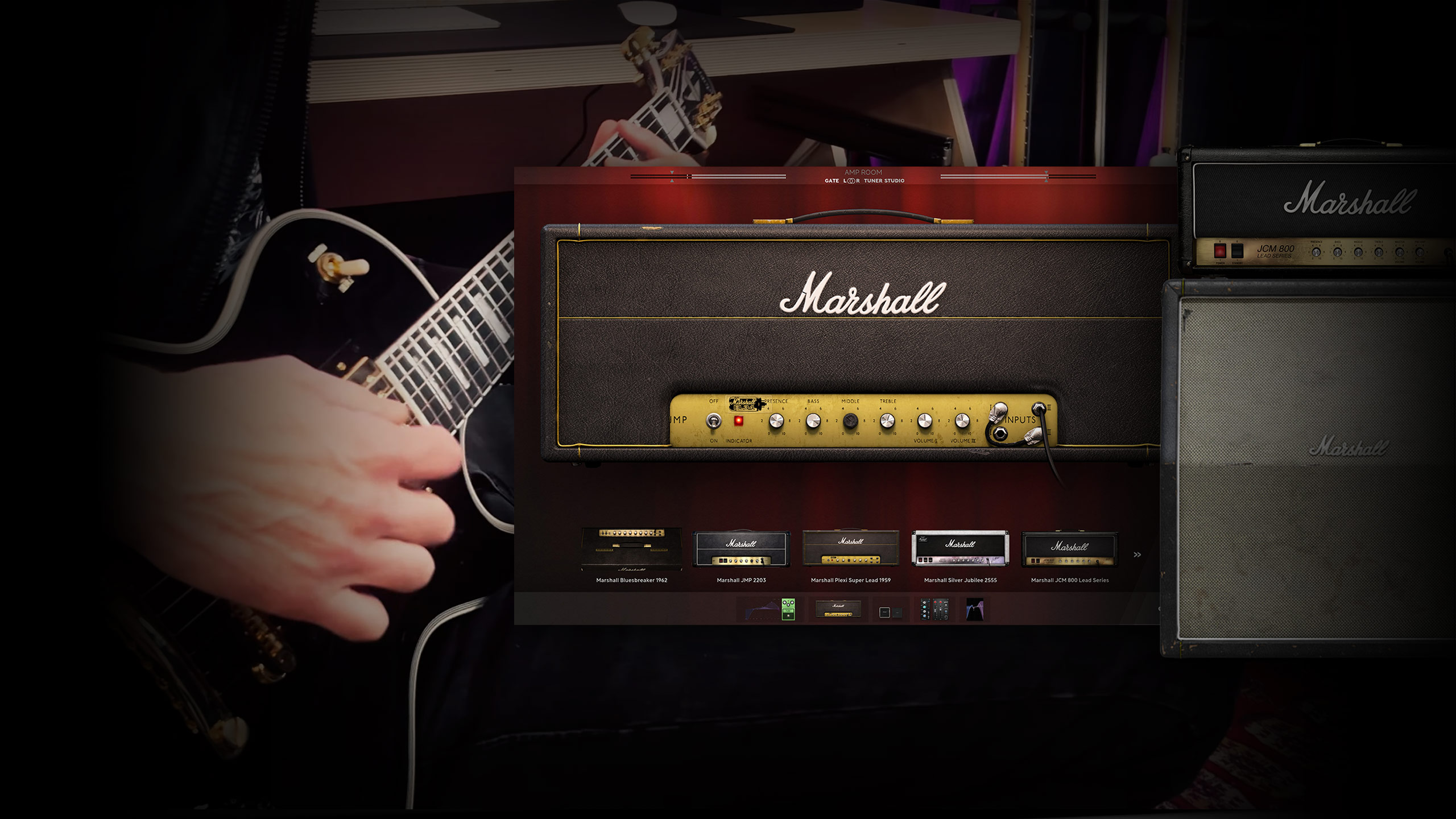
Softube built its reputation on studio-grade emulation long before amp modeling became crowded, and Amp Room reflects that pedigree. Rather than chasing dozens of amps, Softube partnered directly with manufacturers like Fender, Marshall clones, and boutique makers to model a smaller, tightly curated set of rigs with obsessive attention to circuit-level detail. The result is a guitar amplifier vst that feels less like a preset library and more like a handful of amps you'd actually want in a real studio.
Amp Room proves that fewer, better-modeled amps beat a sprawling library nobody fully explores.
Engineers who already run Softube gear elsewhere in their signal chain will appreciate this guitar amp vst most, since it slots into an existing workflow without a learning curve. It also suits guitarists who value a few authentic-sounding amps over a massive but shallow library, particularly for rock, blues, and classic-rock sessions.
Individual Amp Room models cost around $99 each, with bundle pricing available for multiple amps together. There's no subscription requirement, and Softube frequently discounts bundles during seasonal sales.
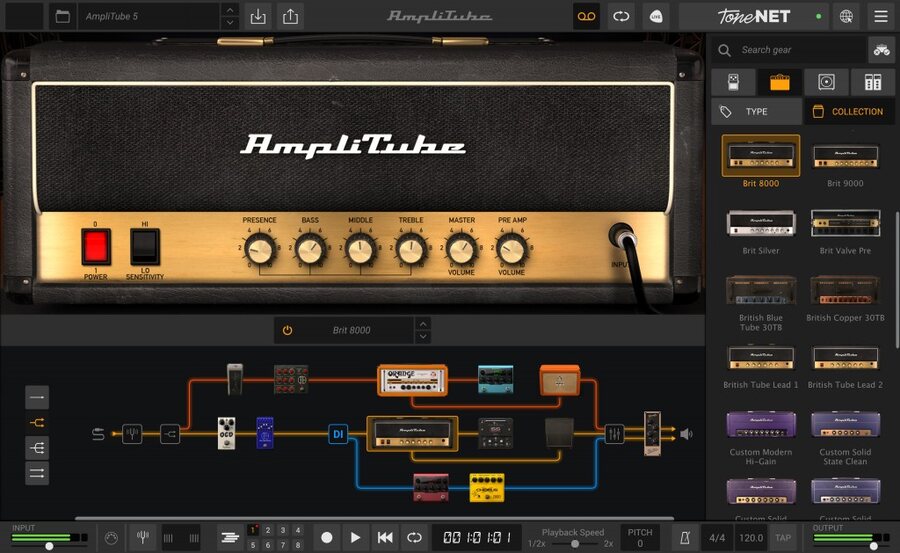
AmpliTube Custom Shop is IK Multimedia's à la carte marketplace, sold separately from the full AmpliTube 5 bundle covered earlier. Instead of buying one big package, you open the free Custom Shop app and purchase individual amps, cabs, or stompboxes one at a time, which makes it one of the more budget-friendly guitar amp plugins if you only need a couple of specific tones rather than a whole gear locker.
Custom Shop turns amp modeling into a menu, letting you pay only for the exact rigs you'll actually use.
Guitarists on a tight budget who still want a convincing guitar amp vst will get the most value here. It suits players who already own AmpliTube 5 and want to fill a gap, like a specific vintage combo or a boutique high-gain head, without paying for gear they'll never touch. Beginners testing whether amp modeling suits their workflow can start with the free tier and expand later, which lowers the barrier compared to most bundled competitors, much like building a starter rig out of free VSTs worth downloading.
The Custom Shop app itself is free, and individual amp or cab models typically run $20 to $50 each. IK regularly gives away one model per month at no cost, so patient shoppers can build a decent rig gradually without spending much upfront.
Picking the right plugin guitar amp comes down to matching the tool to how you actually play, not chasing whichever option has the flashiest marketing. If you want one recognizable, mix-ready tone, an Archetype or STL Tonality gets you there fast. If you'd rather build a rig piece by piece and experiment for years, AmpliTube 5 or BIAS FX 2 give you the depth to keep exploring. Metal players chasing tight, aggressive tones should start with ML Sound Lab, while anyone easing in on a budget can build a solid rig slowly through AmpliTube Custom Shop.
None of these seven are bad choices. The difference is fit, genre, workflow, and how much tweaking you actually enjoy doing before you hit record. Try the demo or free tier before buying whenever one's offered, since your ears will tell you faster than any spec sheet.
If you also need the guitar itself and not just the amp, read our breakdown of the best guitar VST instruments for realistic tones next.
![[team] image of team member (for a mobile gaming)](https://cdn.prod.website-files.com/68efa70811edd8e5af30a90d/690abaa8987a07a672c4cd2c_channels4_profile.jpg)
![[background image] image of recording equipment (for a musician & band)](https://cdn.prod.website-files.com/68efa70811edd8e5af30a90d/6aa35785b8608362620d46e3_Main%20Image.png)
![[background image] image of recording equipment (for a musician & band)](https://cdn.prod.website-files.com/68efa70811edd8e5af30a90d/6aa351f638777f809800a4ff_Main%20Image.png)