Analog Lab Pro and UVI Workstation 4 both give you access to large sound ecosystems, but they are built around very different ideas.
Analog Lab Pro is a complete preset instrument from the moment you install it. You get more than 2,000 curated sounds from Arturia’s synth and keyboard ecosystem, with presets covering pianos, organs, analog synths, digital synths, pads, leads and more. It is designed to help you browse, load and tweak sounds quickly without needing to build a library yourself.
UVI Workstation 4 is different. The player itself is completely free and acts as the front end for UVI’s soundware catalog. It includes a complimentary Starter soundpack, while the real depth comes from the libraries you add over time. Its updated browser now includes search, tags, favorites and audio previews across supported UVI content.
That means this comparison is not really about which plugin has the bigger feature list.
It is about whether you want a ready-made collection of polished synth and keyboard sounds immediately, or a free platform that becomes more powerful as you build your own UVI library.
In this Analog Lab vs UVI Workstation comparison, we’ll look at included sounds, browsing, vintage instruments, layering, effects, expansion options, storage and value to help you decide which platform makes more sense for your setup.
Choose Analog Lab Pro if you want a large, polished preset library ready to use immediately. It is the better fit if you want synths, keys, pads, leads and vintage-style sounds without first buying extra libraries.
Choose UVI Workstation 4 if you want a free platform that you can expand over time. The player itself costs nothing, but its real value comes from the UVI libraries you add to it.
Analog Lab Pro is the better choice for instant access to a broad collection of sounds.
UVI Workstation 4 is the better choice for building a flexible soundware setup around the libraries you actually want.
This is where the difference between Analog Lab Pro and UVI Workstation 4 becomes immediately clear.
Analog Lab Pro gives you a complete sound collection from day one. It includes more than 2,000 curated presets from Arturia’s V Collection instruments, covering synths, keys, organs, pads, leads, basses and more. You also get advanced preset browsing, Multi editing, effects, splits and layers without needing to buy another sound library first.
UVI Workstation 4 takes the opposite approach. The software itself is completely free and includes the UVI Starter soundpack, but it is primarily designed as a player for UVI’s larger soundware catalog. Its value grows as you add compatible UVI libraries to your setup.
That makes Analog Lab much easier if you want to install one plugin and immediately have thousands of polished sounds available.
UVI Workstation makes more sense if you prefer starting free and building your library around the instruments and soundbanks you actually want.
Both plugins are built around preset browsing, but Analog Lab Pro has the advantage if you want a large collection that feels immediately organized around musical use.
Analog Lab lets you filter its 2,000+ included presets by instrument, sound bank, sound designer, type and style, then save favorites for quick access later. That makes it easy to narrow a large library down to something specific without scrolling through endless preset names.
UVI Workstation 4 has improved significantly here. Its redesigned browser adds search, tags, favorites and instant audio previews, so you can audition compatible UVI presets before loading them. UVI also says more than 50,000 presets across its catalog have been tagged for the browser.
The important difference is the library behind the browser.
With Analog Lab Pro, the large preset collection is already there. With UVI Workstation, the browsing experience becomes more valuable as you add more UVI soundbanks.
This is one of Analog Lab Pro’s biggest strengths.
Its included library pulls from Arturia’s V Collection instruments, giving you immediate access to presets inspired by classic analog synths, digital instruments, pianos, organs and other keyboards. Arturia specifically positions Analog Lab as a keyboard anthology built around sounds from V Collection, Pigments and beyond.
UVI Workstation can also be excellent for vintage sounds, but the difference is that those sounds usually come from separate UVI libraries rather than the free player itself.
UVI has a large dedicated vintage-synth catalog, including collections based on analog, digital, FM, wavetable and sampler hardware. Its current catalog includes products such as Synth Anthology, Vintage Vault, JP Legacy, OB Legacy and many others.
So if vintage synths and classic keyboards are your priority, Analog Lab gives you far more to explore immediately.
UVI can eventually become even broader, but you have to build that collection yourself.
UVI Workstation 4 makes the most sense when you see it as a player for a larger soundware ecosystem, rather than as a complete instrument on its own.
The software itself is free, but it can load UVI Soundbanks covering everything from vintage synths and acoustic instruments to cinematic textures and more specialized collections. As you add compatible libraries, they become part of the same browser with search, tags, favorites and audio previews.
That gives UVI a different kind of flexibility from Analog Lab.
With Analog Lab Pro, most of the value is already included in the initial purchase. With UVI Workstation, you can start small and gradually build a library around the sounds you actually need.
One thing to keep in mind is that not every UVI product works inside Workstation. Some expansions are made specifically for Falcon and require a Falcon license, so it is worth checking compatibility before buying additional soundware.
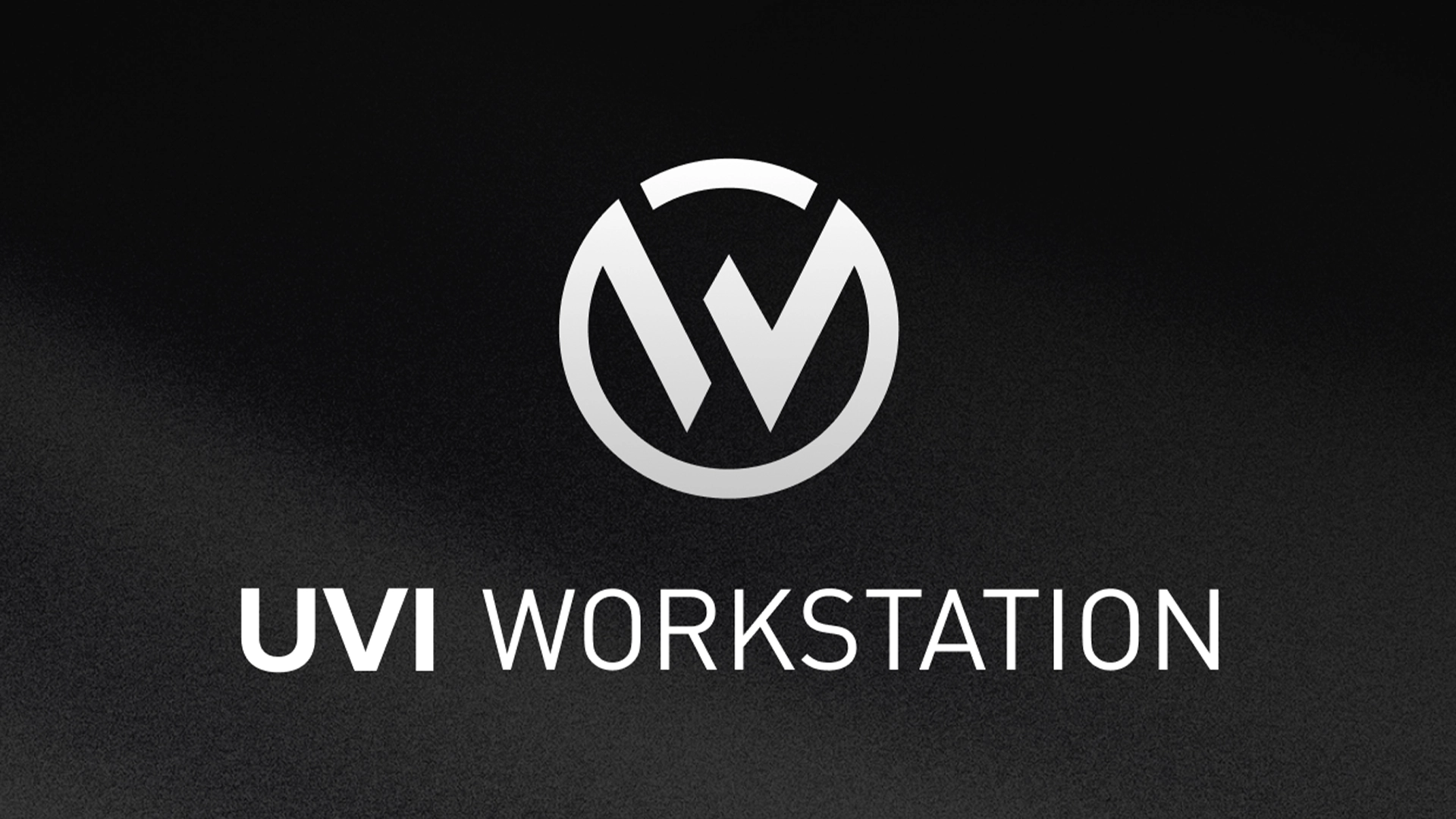
Analog Lab Pro is designed around quick sound shaping rather than deep synthesis.
You can adjust four macro controls, apply effects and combine two presets in Multi mode. Those two sounds can be layered together or split across your keyboard, with independent effects available for each part.
The limitation is that Analog Lab does not give you full access to every parameter of the original Arturia instrument. For that level of editing, you need to own the corresponding V Collection or Pigments instrument.
UVI Workstation takes a more expandable approach. It can layer sounds, add effects and use arpeggiation, with the exact amount of editing depending heavily on the UVI library you have loaded.
So Analog Lab feels more consistent and immediate, while UVI Workstation can become more flexible as your library grows.
This comparison becomes more interesting once you look beyond the plugins themselves.
UVI Workstation 4 is completely free. You can download the player, use the included Starter soundpack and only spend money later if you decide to add specific UVI Soundbanks.
Analog Lab Pro is a paid product, but it already gives you 2,000+ presets and access to Arturia’s broader sound ecosystem from the start. Arturia also offers cheaper and free Analog Lab tiers, including Analog Lab Play, but Pro is where you get the full preset collection and Multi editing features.
So the buying philosophy is very different.
With Analog Lab Pro, you pay upfront for a large curated library that is immediately useful.
With UVI Workstation, you pay nothing for the platform itself and can choose exactly which soundbanks you want to add later.
That can make UVI cheaper if you only need a small number of specialized libraries, but it can also become a much larger investment once you start building a serious UVI collection.
Neither plugin is especially difficult to install, but the storage story is quite different.
Analog Lab Pro requires several gigabytes of disk space because its large preset collection is included from the start. Arturia currently lists around 4 GB of free disk space in its system requirements, so it is still relatively compact compared with many sample-heavy instruments.
UVI Workstation 4 itself is much smaller, requiring roughly 596 MB of disk space. The important part is that this number only covers the player. Your actual storage use can grow significantly once you start installing larger UVI Soundbanks.
Both can run as standalone applications or inside a DAW, and both support the major plugin formats used by modern production setups.
So Analog Lab gives you a larger ready-made library with a predictable footprint, while UVI starts much lighter but can become considerably larger depending on the libraries you add.
The value comparison is unusual because UVI Workstation 4 is completely free, while Analog Lab Pro is a paid instrument with a much larger sound library included from the start. UVI includes its complimentary Starter soundpack, and you only start spending money when you decide to add more UVI libraries.
Analog Lab Pro normally costs $199, but Plugin Boutique currently has it for $129 until August 17. At the moment, the purchase also qualifies for a free software gift at checkout, which makes the outright purchase particularly good value if you were already considering Analog Lab.
There is also a second way to get Analog Lab through Splice Rent-to-Own. It is currently $9.99 per month for 20 months, with a 3-day free trial, no interest or hidden fees, and the option to cancel and resume later. Once all payments are completed, you own the license.
So there are really three different value propositions:
UVI Workstation 4 is the obvious winner if you simply want to start for free.
Analog Lab Pro through Plugin Boutique makes the most sense if you want the full product immediately and can take advantage of the current price and free plugin gift.
Analog Lab Pro through Splice is more attractive if you would rather spread the cost over time instead of paying upfront.
For most producers who want a large ready-to-use preset library, Analog Lab Pro offers more value immediately. But if you only want a flexible player and prefer buying individual sound libraries later, UVI Workstation is difficult to beat at zero cost.
library piece by piece.
It is the better fit if you mainly produce with synths, keys, pads, leads, basses and vintage-style instruments, and you want to move quickly from browsing to making music. The included library, simple editing controls and layering options make it especially convenient for producers who prefer presets over deep sound design.
Choose UVI Workstation 4 if you want to start free and build a more customized setup over time.
It makes more sense if you already own UVI libraries, plan to buy specific soundbanks, or simply want a free player that can grow with your collection rather than paying upfront for thousands of presets you may not use.
Analog Lab Pro and UVI Workstation 4 can both become useful parts of a production setup, but they solve different problems.
Analog Lab Pro is the better choice if you want a large, polished preset library immediately. You get thousands of synth, keyboard and vintage-inspired sounds in one consistent browser, with enough editing and layering control to shape presets without slowing down your workflow.
UVI Workstation 4 is the better choice if you want to start free and build your collection gradually. The player itself costs nothing, and you can expand it over time with the UVI libraries that actually match your needs.
For most producers looking for an instrument they can install and start using straight away, we would choose Analog Lab Pro.
If you already own UVI soundbanks, want specific specialist libraries, or simply do not want to pay upfront, UVI Workstation 4 is the more logical starting point.

![[team] image of team member (for a mobile gaming)](https://cdn.prod.website-files.com/68efa70811edd8e5af30a90d/690abaa8987a07a672c4cd2c_channels4_profile.jpg)
![[background image] image of recording equipment (for a musician & band)](https://cdn.prod.website-files.com/68efa70811edd8e5af30a90d/6aa35b3b03d3771388765f76_Main%20Image.png)
![[background image] image of recording equipment (for a musician & band)](https://cdn.prod.website-files.com/68efa70811edd8e5af30a90d/6aa35785b8608362620d46e3_Main%20Image.png)
![[background image] image of recording equipment (for a musician & band)](https://cdn.prod.website-files.com/68efa70811edd8e5af30a90d/6aa351f638777f809800a4ff_Main%20Image.png)